Reading
without reading
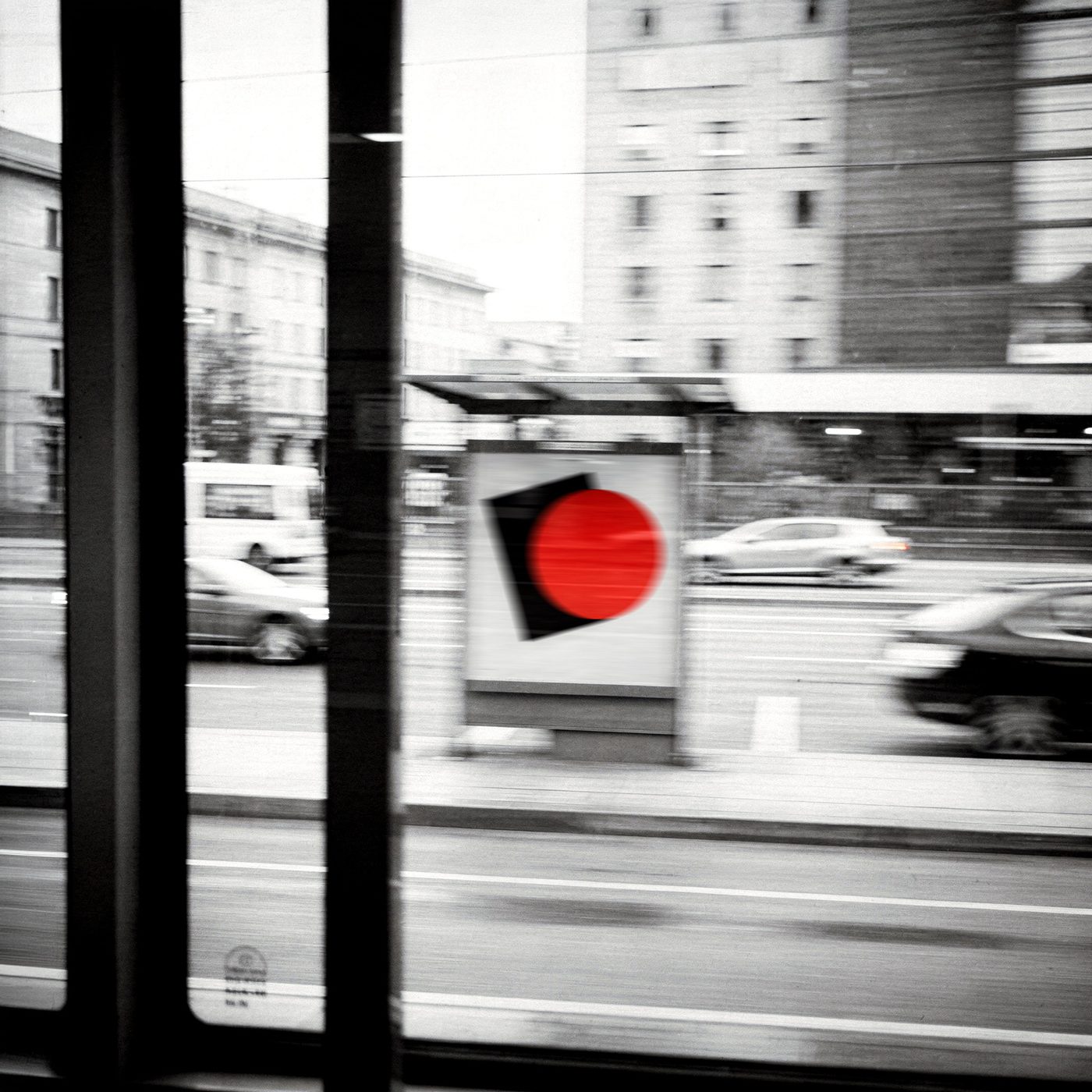
Josef Müller-Brockmann maintained that a poster must be understood from a moving tram. Whoever passes by does not read, they see. He designed in Zurich, in the fifties, posters for concerts and road safety campaigns, Swiss, rigorous, almost mathematical.
Shape, colour, direction arrive in a fraction of a second, the text arrives later, if it arrives at all. His posters for the Tonhalle were music translated into geometry, you understood the tone of the concert before reading the composer's name.
The tram today is called the feed, and it runs faster. A thumb scrolls the screen and grants each image less than a second, then decides. In that second the text does not exist, only shape, colour and direction exist, exactly the three things Müller-Brockmann built everything on. And yet most communication does the opposite, it invests weeks in the words and leaves to chance what the eye catches first, the thumbnail, the first frame, the dominant colour.
If the first glance is wrong, the message does not arrive, however right the text may be. Colour is already a speech, composition is already a tone of voice. I wonder how many of the messages we scroll past every day would pass the test of the moving tram.